Reflection:
This reading by Anyon was very interesting and thought-provoking throughout. One thing the mention is how children who grow up in poverty and live in impoverished areas are more likely to drop out of school, less likely to be motivated to learn, and ultimately, more likely to stay in poverty.
Anyon speaks about minimum wage, explaining that the first minimum wage was set at $3.05 and 67 years later in 2005, it only raised $2.10 more. Anyon explained that while people were against raising the minimum wage, studies showed that it would have no negative impact. So why are people so against raising the minimum wage?
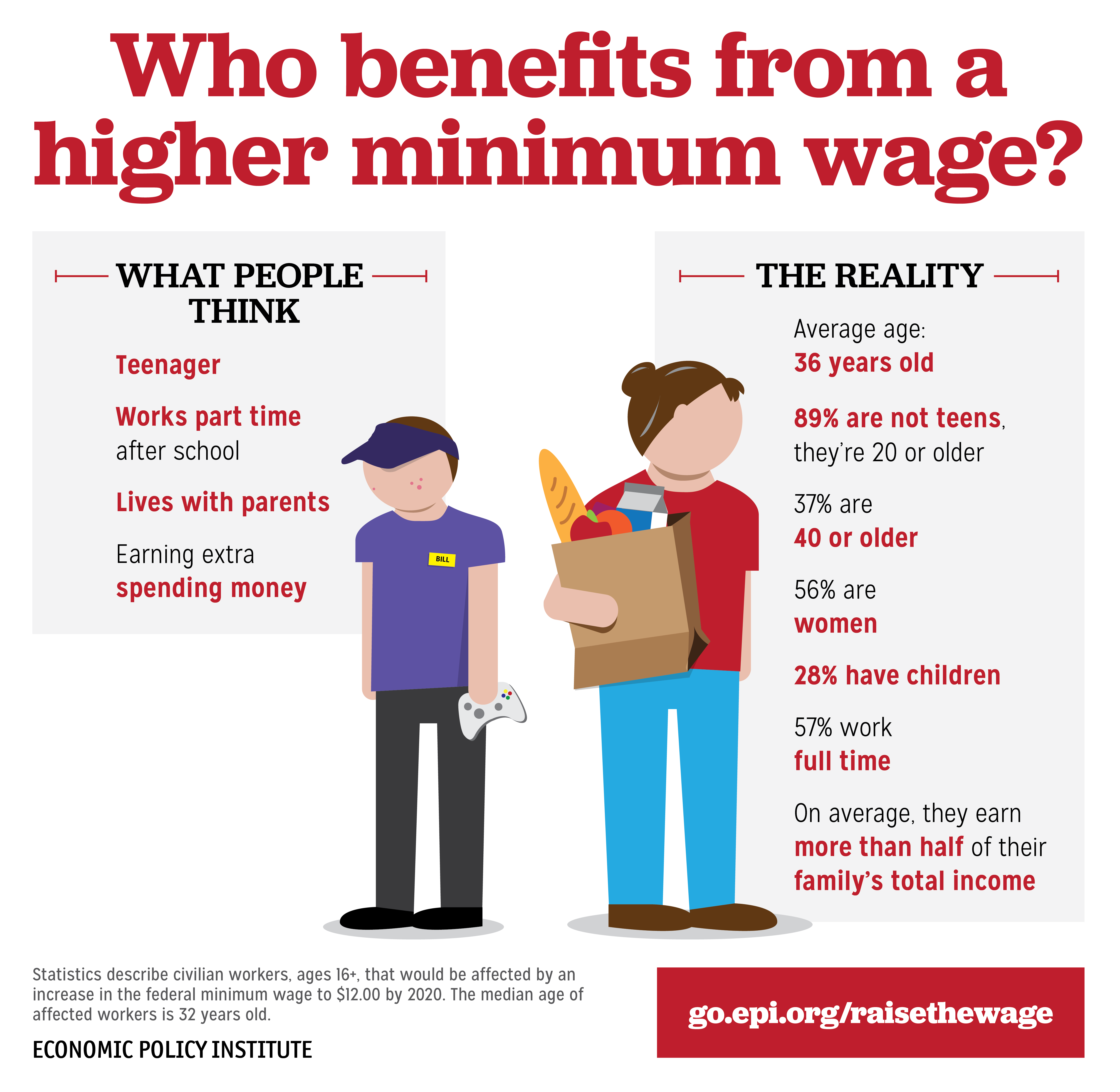
This reminded me of when I started working as a lifeguard at 15 years old. I was getting paid minimum wage, which was $9.50 an hour. When I got my first paycheck, I remember wondering how it was such a small amount. The next year, minimum wage went up to $10.50 an hour. It felt good to make an extra dollar an hour, but it still wasn't enough. I remember doing the math in my third summer working there -- I had to pay to get certified as a lifeguard (twice because it's only valid for two years), I had to pay for gas because I lived 45 minutes away, I had to pay for lunch and breakfast when I was there because we weren't allowed to use the fridge and we didn't get a discount. All these expenses basically nullified my paycheck.
Anyon says that some of the reasons people oppose raising the minimum wage is because they believe it will force employers to fire employees or hire fewer workers. He explained that this belief held no truth which leads me to believe it's upper-class greed. I saw this first-hand when I went to my boss to ask for a raise. As an 18 year old, I was nervous. I walked into his office and calmly explained my reasons and then asked for a raise. He didn't look up from his desk until I finished. He glanced up and said "$1.00 more," dismissing me. $11.50 an hour. People working at other private swim clubs were making $15-$20 at this time. I also knew he was paying the boys who were on his football team more than he was paying others, despite the fact that they did less work than anyone else.
This part of the reading really made me think of the greed that CEOs have, reminding me of this article that I read that basically explains how CEOs gain wealth and purposefully keep workers in a lower class. 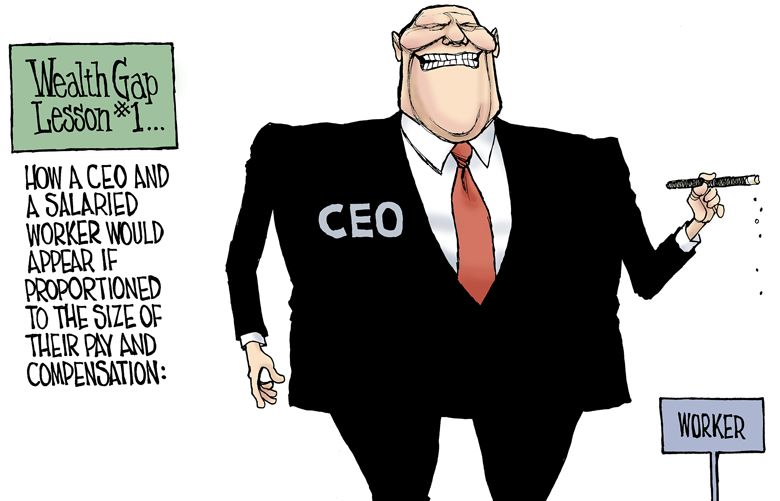
Has anyone else struggled with understanding why the minimum wage is so low when everything else is so expensive? Even now, I make a paycheck and immediately spend it on rent, groceries, or loans.


Hey Amara!
ReplyDeleteGreat post. I always asked myself the same thing regarding min wage. I think the federal min wage is $7.25 but that's only a floor for states to go bye. States can pass laws that protect workers making them higher. I feel when they raise it though it does not cover the raise in housing, food and transportation cost. One thing I never look forward to at work is having those conversations about increases with "some" employees. To piggy back on your point, Rhode Island raised there min wage to $16 this January an will raise to $17 next. Supposing to offset and help with rising cost...Unfortuantly if employees make over this, they are expempt! So to your point how is it helping.
Hi Amara, I agree that the discussion on minimum wage was very eye-opening. I’ve also wondered how this number gets determined, as it seems to never reflect a livable wage. Your post reminded me of a time when hourly pay came up among co-workers at my job, which led many of the long-term employees(7+ years) to discover they were making as much as the new hires they were mentoring/training. This resulted in outrage as they realized they had been getting taken advantage of, and many of them complained to HR. Rather than solving the issue, however, an email went out just telling everyone that it's inappropriate to discuss wages.
ReplyDeleteHi Amara. I agree that the discussion of minimum wage must be had. I clicked on the article that you hyperlinked, and there was something that struck a chord of truth: the inevitable hierarchy. I remember when I was working as a hostess in a restaurant. When I was interviewed, my boss told me that she'd pay me $2 more than what the other hostesses were making based on the experience that I had and my maturity. Eventually, word got out that I made more than the other hostesses and they were angry because they were high schoolers and younger girls who had been there longer. Another example I can give is the assassination of the healthcare CEO. This was premeditated by Luigi Mangione because he was not only mentally ill, but he was also afflicted by the grief that his suffering was being taken advantage of by a CEO. CEO's in healthcare often and unfortunately have this greed of making money off of other people's suffering.
ReplyDeleteHi Amara, I really like the graphic that you shared showing who benefits from a higher minimum wage and was specifically struck by the fact that 56% of people making minimum wage are women and that they make more than half their households income. A minimum wage initially was set as how much someone needed to make in order to meet their very very basic needs. I think we all know that the minimum wage, especially given current inflation rates and lack of affordable housing, does not meet most people's basic needs. It adds another layer to think about this with a gender lens. I wonder if most of the people making minimum wage were men, if that would change anything? Or is the assumption that women have partners that are making more money? I often talk to my friends about how unfair it is in the US that it is more economically viable to be in a relationship than to be single despite that fact that being in a heterosexual relationship is often more dangerous to women. It would be interesting to look at the connection between raising the minimum wage and reducing DV.
ReplyDelete